
I decided to try this a simply a Stream of Consciousness while reading Braiding Sweetgrass by RW Kimmerer. Rather than dwelling in the structure and meaning of my entry I’m going to instead focus simply on the stories shared and my responding to them as they come.
Ceremonies are a way to remember to remember is a very clear and intriguing concept, summons a deeper level of thought akin to generational and environmental mindfulness.
Well she speaks of Turtle Island and learning from the animals I’m reminded that we cannot see through another’s eyes. We can only ever have a human perspective. But the awareness of this reality hopefully leads to acceptance of our views’ limitations and encourages us to accept the unknown and listen to the other beings around us.
I recognise her students’ lack of knowledge of positive interactions between people and nature in my own biological career. That very issue was discussed but after so many rash and rushed interventions scientists were still very reluctant to act and risk further damage. I’m hopeful that through traditional knowledge keepers a greater depth of understanding is available to take care of the lands. Also, could this lack of a friendship nature be because we view ourselves as distinct from it? Isn’t everything we do and be come from nature at some point? Do we, falsely, infantilize the natural world because of our own perceived power and importance?
Whatever we may believe separation of humans from the world is just not possible, there is no solution searching down that path.
I had to stop and consider the implications of her comparison of Skywoman to Eve, one who is given and shares in natures bounty and one who must earn, steal, and obey it. These are two vastly different fundamental understandings of human life.
I like her inclusion of humor; I’m intrigued to read such serious topics and lessons embodied with positivity and life.
“Eve was given the short end of the stick”
Maybe we are becoming peoples native to the land by actively caring for its future.
The perspective that humans are the youngest brothers of creation, less experienced at living than plants etc. is kind of ground-breaking to me. We really do learn and borrow from those that came before us on earth.
Her note about old butternut trees marking old Potawatomi village sites, reminds me of our own landscape dotted with abandoned shelter belts surrounding empty homesteads. The very displacing lifestyle that eroded away the tipi rings is itself becoming a relic our past. Some homes remembered only by the land where they’d lived.
Looking at cultural practice as evolutionary process, like genetic transmission, is one that’s always fascinated me. Its tempting to overreach or reduce culture to practicalities but I also think it respects the intelligence of fore-bearers who lived long lives before we ever came into being.
Her strawberry story reminds me of hiking through Saskatchewan forests and riversides, since I was a little girl, and spotting their white flowers. They were always exciting and unique finds on the paths and underbrush, a familiar face. My native alpine strawberry plants are my favourite in my garden.
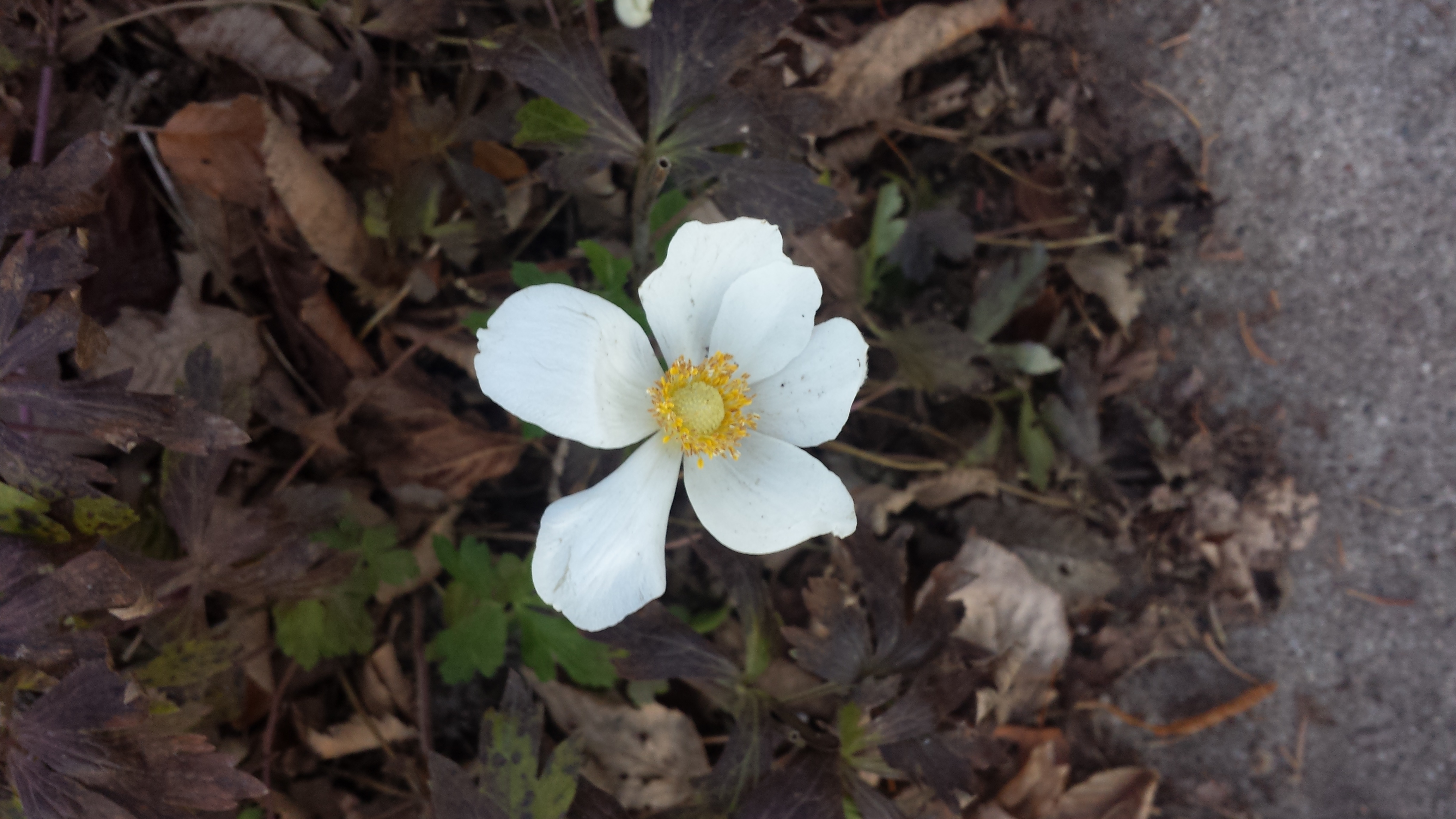
I’d never considered that those strawberries, and so many other things, are benevolently random. Some gifts cannot be earned or deserved, they simply appearing to those who look and see them.
As she says, being a gift changes an item though it remains physically the same. Knowing things are being given, we then decide to do without. I almost feel like since there is no measurable transaction, we evaluate the actual item and exchange more careful. We are the deciders of it should happen or not, rather simply if it will do at the price.
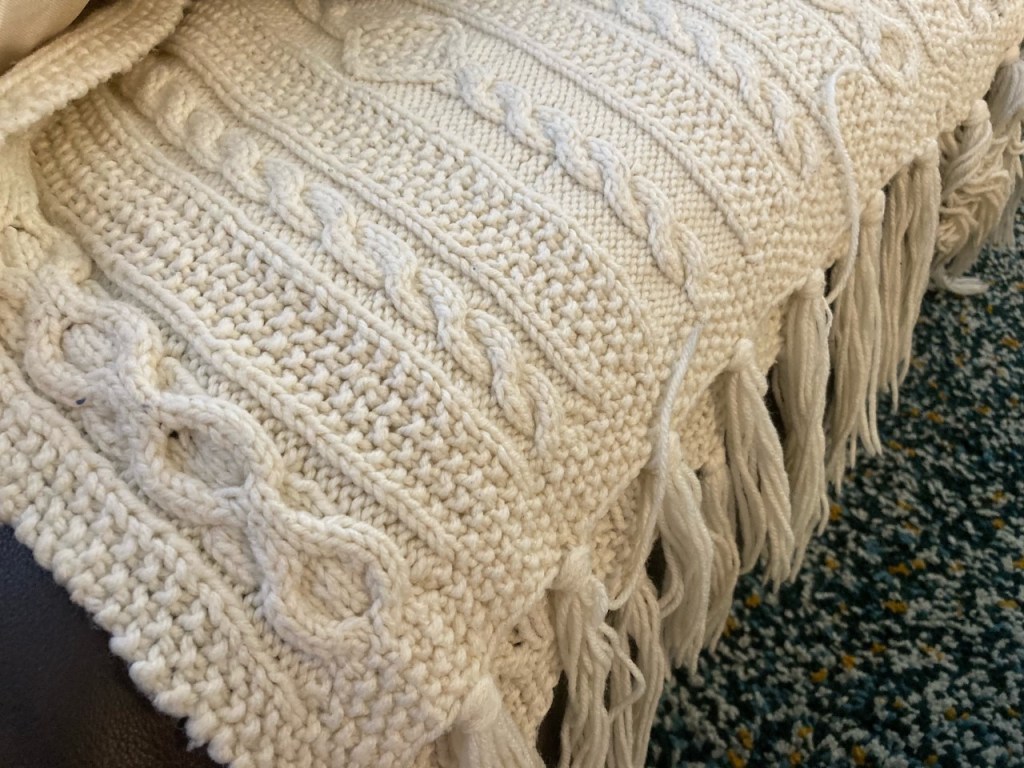
At the same time, gifts are responsibilities, not rights. We must take care of them and their intention. I have a lovely cream blanket from my great grandma Lorna, so do all of the other cousins (including my dad) that she had time to make before she passed. She was a skilled crochet-er and her blankets won first place in her city’s competitions for years and years. Having this gift, and seeing it my family’s homes, I feel a connection that cannot be bought. I also desire to pass that loving connection on, not that I’m any good at crocheting now, but I want something warm to give and share.
I love her perspective on her mother’s gratitude. The pragmatic rituals of respect by leaving only wood & cleanliness behind you. Marry the mundane and sacred and in so doing imbue every day life with gratitude.
Her fascination with bright goldenrod and asters is poignant because these same plants litter our ditches here in Saskatchewan as well, though smooth aster is lavender in colour. I too like staring their colours but mostly just as I’m driving by. It strikes me that their names are both reverential, goldenrod with the literal material of ‘wealth’ and aster which means ‘a star’, from their colour and shapes respectively.
Kimmerer’s observations of beauty are observations of our world, its complementary patterns, and wonders. And science always starts with observations, even before hypotheses.
When working in a research lab, even after fully genotyping plants they are still unpredictable. If they are truly mechanistic its in a way too complex for us to even comprehend, that is why we narrow and control and narrow and control experiments. But as she discussed, their interactions and mysteries are real. In some cases, we are starting to understand some of it, their genes, epigenetics, hormonal and environmental regulation of processes, pheromones and more. Yet in the meantime it is best that we accept there answers we just have in our current library.
Most scientists love the stuff Kimmerer talks about (wonder and vivacity), but they don’t publish it because of need for confidence & power (scientific versions). Science as an institution has its issues surrounding grants, lack of negative results publishing, and no repeatability studies which undermines its very process. I know a lot of scientists who are fascinated by fungi, but I’ve never heard of a local mycologist without a second speciality.
There is so much to learn from nature, machine learning iteratively designed the most efficient drone over thousands of attempts and measurements. The end result was strikingly similar to the shape of a flying squirrel.
Our own backyards are filled with wonderful beings where we only see snow and yellow grass. Fantastical looking inky cap mushrooms, world famous kangaroo mice & wood frogs, amazing carnivorous sundew; unless you go outside and look often you won’t see these things. There’s a reason vending machines kill more people than sharks and its not because of their muscular jaws.
She says that “Science polishes the gift of seeing” but what lays beyond our grasp remains unnamed.
This makes me think of the sci-fi rule that “any sufficiently advanced technology is indistinguishable from magic”, is this the magic of earths synergistic nature? Could it also be said that the opposite is also true, that simple magic appears to the uneducated as highly advanced technology? Or is it simple imperceptible to clouded eyes?
Animacy in language, that water and trees and more are living beings. Personally, I find it difficult to discuss ecology and landscapes without using ‘they’ and telling stories. I believe that we must not personify nature as in ‘they’re greedy’ or ‘they decided to do this or that’ simply because we cannot assume that they are motivated in the same way we are. This does not mean that they are not beings. We know that birds communicate, love, and make decisions but to interpret their behaviour through our body language would result in complete nonsense.
I was initially fascinated by the net-like algae hydrodictyon. but when I looked it up, I realised I’d been seeing it at my childhood lake for years without any notice.
I learned a lot from the Iroquois’ Thanksgiving Address. It’s interesting to view also through the lens of fostering dialogue. By finding common ground, gaining assent, and agreeing that ‘now our minds are one’ they build consensus into the very beginning of the conversation.
Cognitive science supports the value of having gratitude thoroughly but only recently. Once again outside of economic incentive research is behind the curve.
Could we also give thanks and have gratitude for newer understandings of the natural forces? For gravity, molecular cohesion, and the genes of our ancestors. What would that look like?
If I had been in Dr. Kimmerer’s class, I fear I would be one of the students intrigued but also confused by her thanksgiving. I have to wonder what I’m always in a rush to do specifically.
I also appreciate her addressing concern of doing thanksgivings in her text, and I’m thankful to the people for choosing to share it with the world.
Traditions really are “Generations of data collection and validation through time which builds up to well-tested theories”. On occasion they need to be changed but they come from somewhere.
I’m starting to recognise that this book is a series of essays from different people and places specifically because no one story or message can be all encompassing.
I’m surprised by inclusion of “creation of beauty” in loving behaviour – something to continue to think on. I think that my previous definition has been too narrow and too laden with cultural baggage surrounding worth and importance.
She asks do gardens love? I think back to the avocado, most large green or yellow fruits, especially with large stony pits, evolved to be dispersed by megafauna. They disappeared mostly due to the ice age and many of these fruits went extinct. Those that didn’t? The pumpkin, the papaya, and the avocado. We are a part of their lifecycle and, at least for avocado, they almost certainly would not be here any longer without us. Does this mean that we domesticated them or were we domesticated? both? Neither? Considering little major change in that particular case, it seems to be more of a working relationship than one of domestication.
Her repetition that the land will look after us if we look for it reminds me of some stories from escaped North Koreans who survived in recent memory by getting protein from the woods insects around them when they’re government failed them. This relationship and protection is powerful but one that we have been breaking for sometime.
There is a profound power in plants’ ability to animate the inanimate. I see them as a great connecter and originator of life, along side the microorganisms we cannot see.
I idly thought as soon as she mentioned them that the white hilum of a bean is its bellybutton (she brings this up later!) I wonder at the meaning of beans having one just like us, do they have their own belly button teaching and source of connection as Indigenous parental practices do?
The artistic composition of the three sisters, contrasting colour and shapes. Vertical, horizontal, and curvilinear structural elements, a perspective I’d never considered.
The complete nutrition of the three sisters: nature finds a way eventually, including us.
Of the three sisters, we are the fourth sister, as without us their union does not happen in nature.
I think this desire for connection to land and peace helps to explain the popularity of the ‘Primitive Technologies’ YouTube channel. A shirtless historian creates silent videos of creating grass huts, clay kilns, and water powered mills in the New Zealand wilderness which millions of people sit and watch year after year.
The study showing that the black ash decline with lack of harvesting refutes the myth of an untouched wilderness, rather than symbiotically managed one. Our presence in nature doesn’t necessarily mean it has been tainted, but rather our careless actions do.
As teacher I’d like to try the Potawatomi teaching strategy: show but don’t tell (such as the demonstration of making toy horses without answering any questions) but give many supports and materials.
As the instructor said, take pride in what you did, sign your basket mistakes and all. Lay claim as they’re all unique baskets even if made of the same tree. Reminds me to make art that I can be proud to sign my name on.
If we follow thread from even the smallest item and we find that all things come from somewhere; this seems obvious but its easy to forget.
Don’t take the first plant you find, never take more than half mirrors the field harvesting instructions giving by the herbarium to protect small local plant populations.
Science as a process works to discover/translate/create the world. Only through our decisions on language do we reduce it to mechanism and objectification.
As she discusses sweetgrass I can’t help but wonder: Are grapes (wine) or wheat (bread) sacred in the west? Were they ever? What makes something sacred – ceremony and gratitude?
Speaking traditional knowledge through academic language…? Is this necessary for it to have value, or are we adding value to the academic language itself by bringing in their knowledge.
Her parents teach that good communities don’t just happen, they require stewardship. This true in both our personal and educating lives.
Familiar term – ecosystem services, often brought up as economic incentive to environmentalism (avoid the cost of expensive, tiny Pollinator drone robots)
The ecosystem model sees carbon as currency of life.
We get the government we deserve, unless we can’t participate (trees), we need to ‘show up at the damn meeting’. We need political action and civic engagement that are acts of reciprocity with the land.
Are there any European tales against greed, was there none or are they simply forgotten? The closest I can think of is the tortoise and hare…
Again, we come to the myth of the lucky land of plenty, fat with bison, cod, salmon, and passenger pigeons. This was inhabited land!
She speaks of the harvest given by deer who wait to be shot, but I have trouble believing this is the common case. How does this relate to the buffalo jump? To be considered, I suppose the marten hunter asks less directly to hunt but rather managers and monitors their populations.
Turkish gratitude is valued too: is this unique to Indigenous culture or allpeople connected to land? Is our greed an affect of diaspora and historic immigration, the breaking generational connections?
Food proselytisers are frustrating, those ‘no ethical consumption under capitalism’ yet offer no solution. We must develop a relationship with land and animals that we rely on.
Colonisers still have one foot in the boat – resonates with me. Do we still live life like we’re trying to make the most of a second chance?
Solanaceae is such an amazing family of plants found only in the Americas: tomato, potato, tobacco,
Human Species loneliness, we lack interspecies (and intraspecies) connection & relationship, few have the names of the beings around them.
I am still struggling with the concept of seeing a being’s spirit through song. Are we listening to the feeling and space of a being? Are trying to pick up their vibe? See where it comes from?
Science comes back to nature – biomimicry (flying squirrel!), it’s reassuring to recognise some concepts. I haven’t entirely had my head in the sand these last years.
As she discusses, common plantain still signifies disturbed places now a days, “the white mans footstep’, never learned the source of the solidago plantain name before.
This plant is not Indigenous but naturalized through being non-invasive. This is still a tricky definition.
We focus on how the world works but not that the world is a gift, what it all meant. We just cram every bit of teaching in that we can without naming but wonder itself. Her students singing amazing grace when given silence, mindfulness again?
I’ve looked for cattail uses etc. online and never heard of Cossack’s asparagus let alone all the other uses. Many times thhe internet is not a teacher, just a very fancy book.
I personally unlearn hurrying, there is no formula for intuition.
Her root gathering described as an orderly viscera of the forest under surface; I’ve had the same experience but just considered idly neat. I didn’t take the time to contemplate it and I don’t think my professor would have supported that at the time anyways.
There’s a learning curve to appreciating the quiet, grandiose landscape of the prairie compared to the forest. Less nooks and microhabitats to explore unless you’re looking for it, and silent. Every other being knows you’re there from quite far away. I’ve never seen more animals than when studying plants, and never found more plants than when trying to find beautiful photos of birds.
Science to the long path to find that the humus (soil) smell encourages oxytocin in our brains – love of the earth is biochemically validated.
When I looked it up, I recognised spruce roots as something I’d dig up as a kid to play with. I was also amazed by the many blogs or people want to share root gathering.
Gratitude is our responsibility, but we cannot really give back in the same capacity as the earth. That would be arrogant. Caring is not abstract, it inspires searching for reciprocal gifts.
Philosophy is beautiful but practice hard. Gratitude influence our perspective and decisions?
My family’s lake is my home, I love Saskatoon too but in small spaces, my elementary school yard and the back corner of our lot. When I got married, we did a sand ceremony and I gathered from the lake where I feel the most at peace. I think this is in part because of the many long quiet summers I spent outside without even radio to entertain me.
Reading this book inspired me to be a little grateful to the caragana that hedge my yard. Normally I’m happy they block noise but frustrated that they catch the garbage blowing from Broadway. Today I realised I should be thankful it stops here where its easy to pick up rather than blow all the way to the river.
The salmon run and headland burning support that this was managed and inhabited land long before colonisation.
Do westerners overfish from a place of fear? Must we always hedge our bets against what we might need, never certain that we have enough for now?
What if we bought all the store’s berries for fear they’d spoil? Or visited every shop to have some of every fish to find the best? Why is that obviously ridiculous in stores but not in nature? Do we fear its wildness as unreliable or scarcity or simply want to seize the chance for something ‘wild’ while we can because it’s a rare event?
Does the same apply to our culture’s norms of safety and respect? To our hoarding of space and welcome?
Potawatomi has no word for please because questioning itself is respectful. In honoured harvest the questioning shows the respect.
Act as if loving land is an internal affair, ceremonies of practical reverence.
Litany of ‘studies confirm…’ and ‘field surveys support…’ enforce FNIM knowledge and practice decades after they’ve been shared with the experts. We need to learn to listen.
Take what you need – these bison lands were nomadic and diffusely populated. Despite the richness of earth, the people travelled as wide as the prairie themselves.
The remaining western rituals are mostly for ourselves (life celebrations) and fearful superstitions, yet the sharing of the sunset is seen as penultimate romantic moment.
Ceremonies magnify life.
Doing science with awe and humility is a powerful act of reciprocity with the more-than-human-world. Estuary and habitat rehabilitation (my old job) can exhibit this.
Science forming intimacy and respect rivaled only by observations of traditional knowledge holders. a path to kinship.
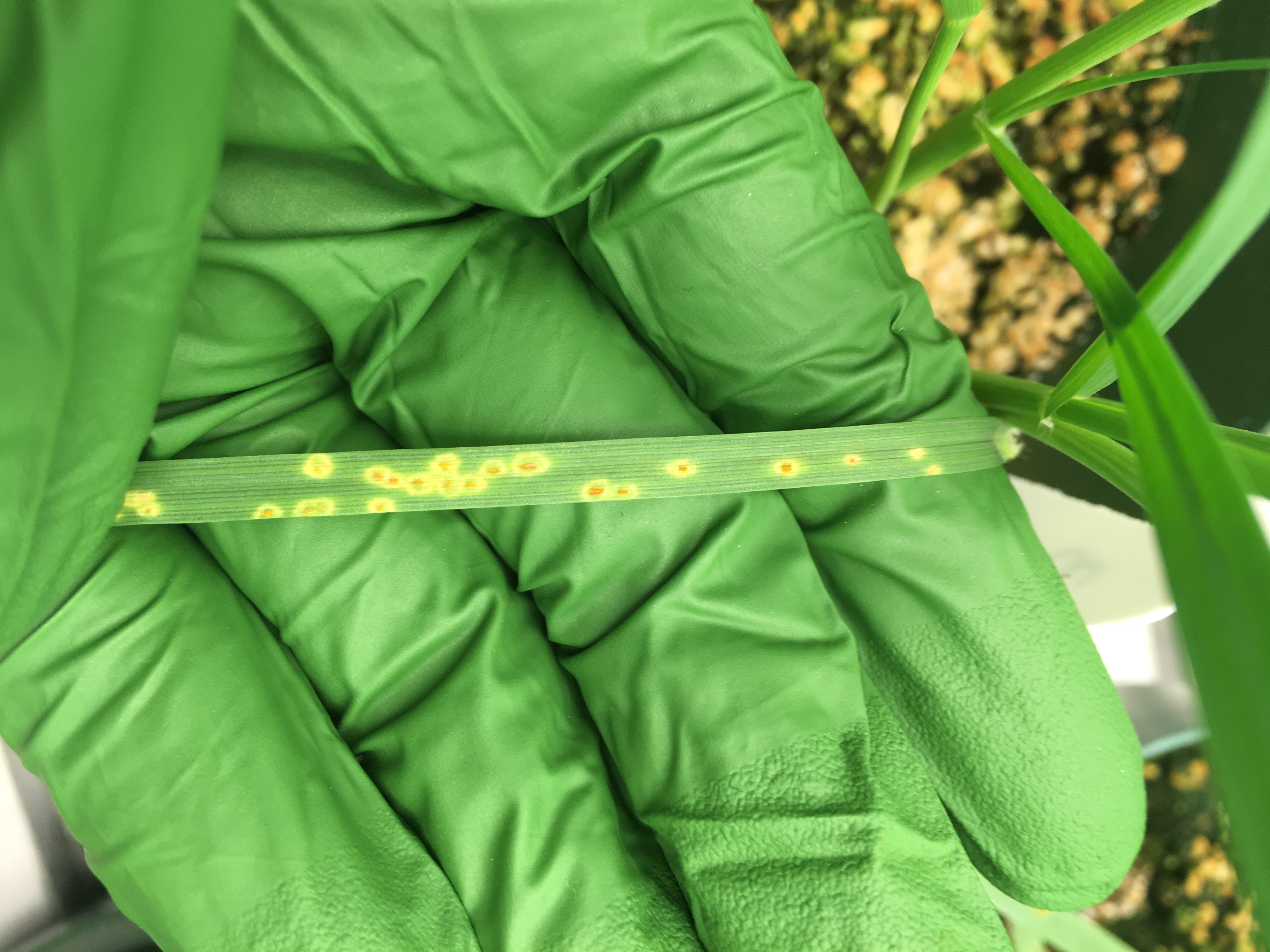
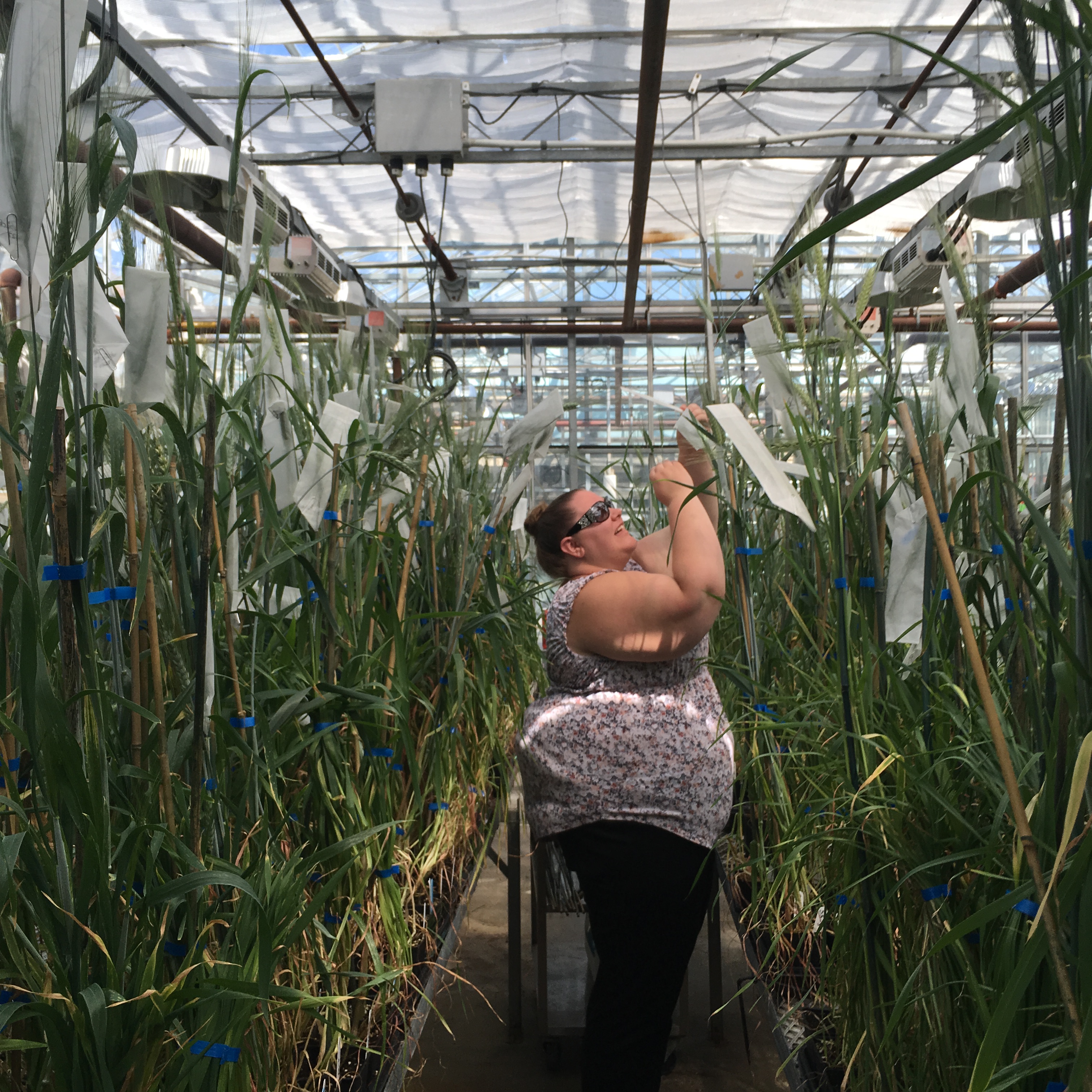
Few biologist care only for the specialty and ignore the rest; they’re bus takers, volunteers, and listeners.
Planting sweetgrass plugs reminded me of fescue plug planting at St. Denis. Intimidatingly huge fields with many hands and we still made slow progress. In the meantime we shared many storeis and saw field mice, hawks and martens.
The wigwam reminds me of being a young girl guide, we built ‘restaurant’ shelters from the local tree fall and called it ‘prairie sage’ because the smell was all around us.
Why am I constantly looking up reference pictures? Do I hunger for experience and sight or just a strange desire to verify what I read? It’s hard to understand anything as living in vacuum, but good to accept one telling its own story as well.
Heavy scientific language – ‘simply a thallus’, the tadpole of leaves, like an axolotl its frozen in an ‘immature’ state.
The lichen marriage or plant and animal (fungal). The question of if penguins are superorganisms because they need to huddle like a volvox algae in order to survive the cole.
Lichen and bryophytes etc. are unfamiliar to most people, is this better reading because I can envision the subjects?
Old growth forests are recognised by their complexity, variety, and differences – like living human community?
Hyporheic flow (the river within the soil) makes me thing of mixing milk into KD or watering plants.
Kimmerer’s spinning thoughts on raindrop size are science as I understand it. Her follow up experience with the alder water experiment and observations of why rain sounds aren’t the same as white noise. observation of maple drops (witnessing) <– the science I love.
We don’t always need to illustrate underlying processes of nature, simply showing them that they are appreciated. A story must be happening where life is living.
I’m beginning to expand me space for and definition of art and beauty.
I was surprised by my stark fear of the w*ndigo name, especially snowed in as we’ve been being. like, I found myself hiding the title off my screen whenever I could, my heart went up and I felt the stress. My introduction to the concept was through social media, online Anishinaabe people getting upset over the name’s frivolous use because it is a cultural terror and also summons the being. I don’t believe a physical monster would arrive but somehow, I still feared brining ill-fortune onto myself. She didn’t mention this avoiding of the name? May be more regional belief, shared by individuals posting teachings online but no ‘official sources’. Its common enough that W*ndigo censored will get results through google though. They believe that the name calls it to you, and that you can be infected through its presence alone.
European stories of hunger, like Hansel and Gretel’s, are quite different. Focusing on corruption and threat from other people. Nothing is for free in a fairy tale.
We ask native people to unleash economic greed on their lands in order to fit in and ‘succeed’ like us.
I didn’t know the six nations were the origin of bury the hatchet. A strong image of peace that is widely used by English speakers now.
Onondaga want legal say over their land to implement the great law allowing them to restore and manage their land. They do not plan evict anyone but focus on land rights action & sovereignty.
We suppress or natural reaction to disaster, splitting mental calculation from emotional intuitive embeddedness in life’s matrix. We passively acquiesce in the preparation for our own demise. Despair is paralysis, leading do caring exhaustion and desensitisation.
I feel a sadness and grief because restoration ecology was my career, but it could not be forever. You must be fully mobile and financially self sustaining, or a perpetual volunteering student. Hopefully teaching can be another source of change on top of those surgical scientific interventions.
Western Science & tech is appropriate to the present scale of degradation (catastrophic) but it is a limited concept and methodology. It is the head and hand of restoration, but native spirituality is the guiding heart, a loving responsible relationship between humans and land.
Onondaga nation vision for a clean Onondaga lake – biocultural/reciprocal restoration is the next step in ecology, newer than my training.
We can understand the randomness of nature as statistical but unexplainable could we see it rather as will and lessons of other beings?
The self and world are reciprocal, we are not enlightened and then act, we heal ensemble with the earth.
Sometimes a fact alone is a poem, but we often use exclusionary language instead of translating it. Science is a process of revealing, versus the limited scientific worldview, which is separating knowledge from responsibility and intimacy,
Doing science is intimate with the subject and investigator, in one course alone I spent over 30 hours drawing the individual cells of leaves through a microscope.
We learn so much through living experience – experimental archaeology is a testament to that. They live as the record shows people used to live and then find explanations for all kinds of unexplained ‘quirks’ and oddities.
I have to admit I still don’t connect with the singing personally, maybe more putting out gracious thoughts like a prayer? But I also wasn’t raised with a tradition of prayer either… just exposed through popular media. I could see being comfortable speaking thoughts out? I have a my own ‘kooky’ habits though, as a kid my imaginary friend was the wind, and I would thank ‘Mr. Wind’ for opening the gate when my hands were full with my bike. The wind should not be aware of me, but somehow almost every time, within ten seconds, the gate would open. Weight, wait, or luck?
Responsibility to care for the land means participating in the land, we are not separate from it.
What is truly medicine for the earth and what are drugs of deception? We cannot recognize them all alone but must instead come together.
We now are dedicated to the proposition of scarcity – That’s what I had thought, we’re all so afraid. Moving beyond that fear to gift-giving, responsibility, and gratitude to heal our cultural weaknesses.

